
FISHING AFTER FALL TURNOVER

LET ME START WITH, I HAVE NEVER SEEN A FISHING SEASON LIKE WE HAVE HAD THIS YEAR AND I BLAME MOTHER NATURE.
Winter went straight into summer then we had spring and back to summer. Because the water temperatures changing, fish were moving into shallow, then moved back out, only to move back into shallows again. Did this weather pattern affect spawning? I really don’t know, but it did affect fishing.
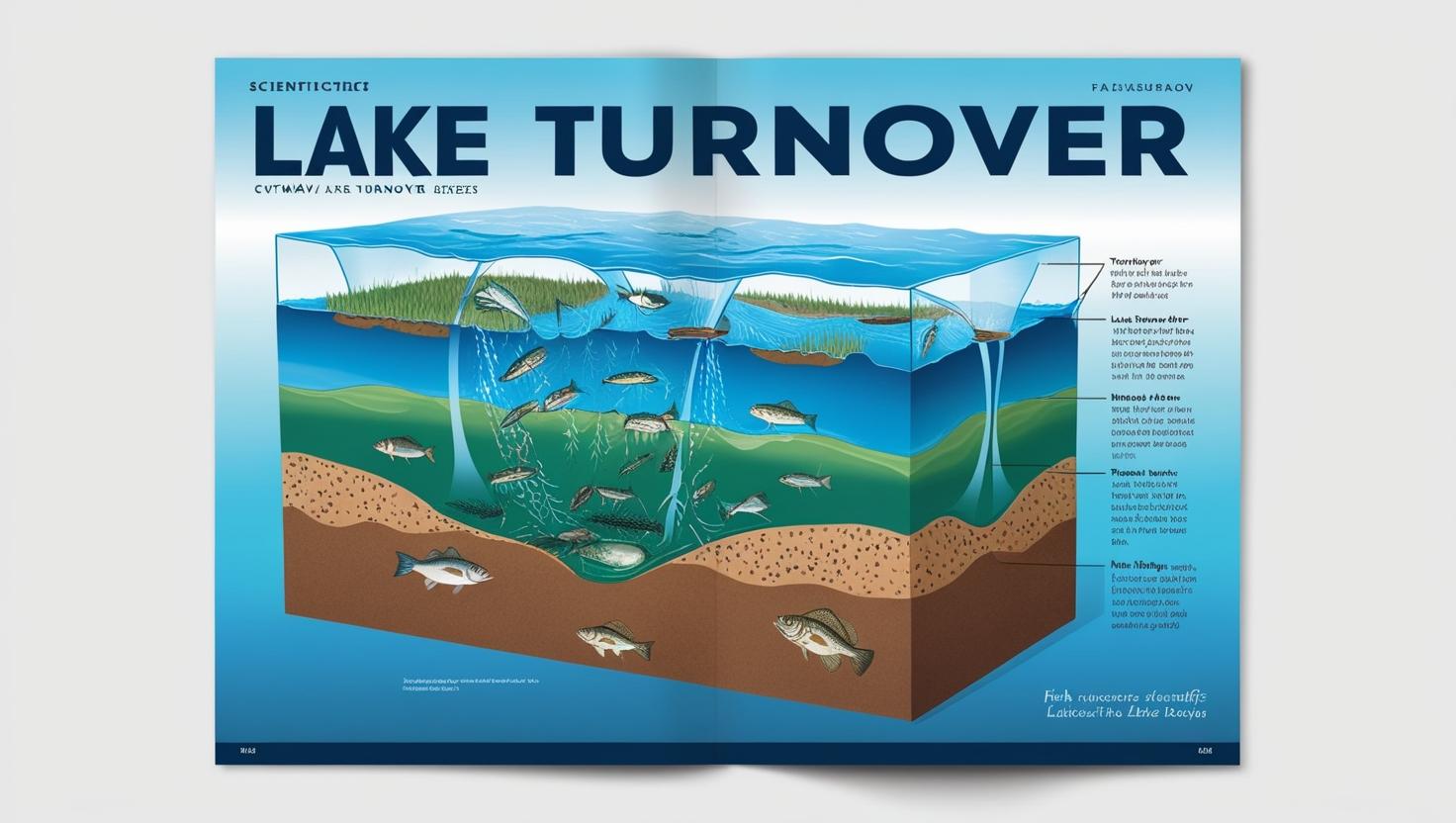
Now jump to October and turnover. Last week I wrote turnover is all about water temperatures and I’m here to tell you, I have NEVER SEEN LAKES TURNOVER WHEN THE SURFACE TEMPERATURES WERE ABOVE 50 DEGREES. But that is what happened this year. There were lakes that turned over and the surface temperatures were still in the mid-50s.
That being said, I know many folks in the Northwoods, and I place them in three categories. 1) Those who live on a lake that have pulled their boats already to store them. 2) The people that have a seasonal cabin, that have been winterized and closed, and their boats have been pulled and stored also. 3) Then there are the die-hard anglers that want those last fishing chances before the weather gets too harsh.
For those who are die-hard and still want to fish, once lakes turnover in the fall, most experienced anglers will tell you fishing can be challenging. After turnover and the water stabilizes the entire lake has oxygen throughout, so those favorite hot spots probably are not the hot location they were. Meaning, fish will be scattered at this point and can be anywhere and at any depth.
Does this mean you cannot find or catch fish? No, but there are different tactics and techniques that could make your day on the water successful. Remember the FOOD CHAIN RULE? FIND BAITFISH AND YOU WILL FIND BIG FISH-EATING LITTLE FISH. But also keep in mind, different species will be in different locations.
WALLEYES tend to head to deeper water once the lake turns over. So, try fishing at different depth around (STRUCTURE) humps, dropoffs near rock and even the edge of deeper weed (green) bed if you can find them. Once you catch a fish, remember how deep you caught that fish, because that depth will be similar at other locations. Because of the food chain rule (see above) I would suggest using live bait and believe bigger (bait) minnows will get more hits. Why? FOOD CHAIN RULE.
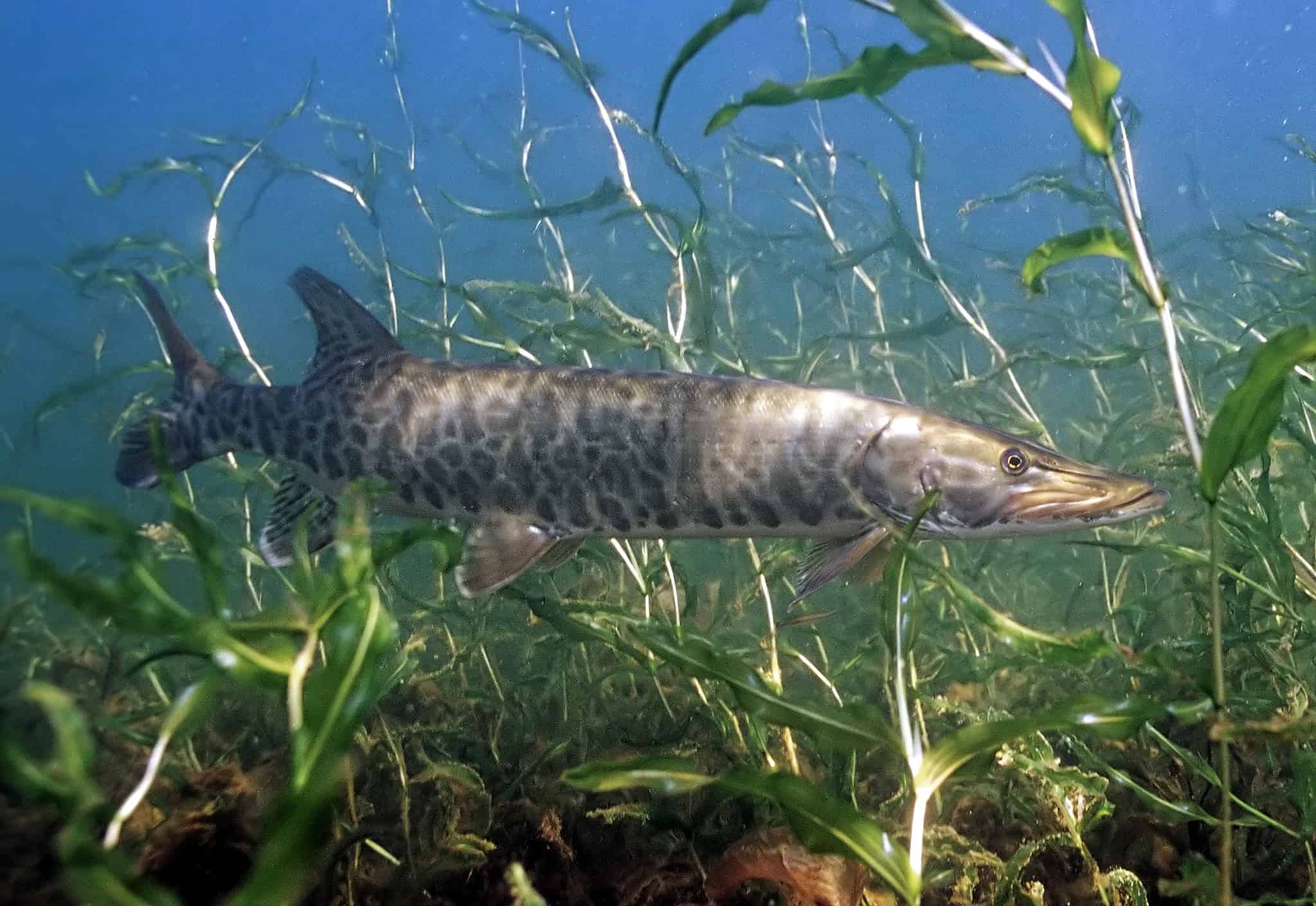
MUSKIES like other fish can be scattered but will use cover and structure. Some usually look for stable water temperatures (deeper locations) with structure, so areas with rocks can be a good spot. Because they can move up to ambush prey, bays with green weeds that has access to deeper water is another location to try. Why? FOOD CHAIN RULE.
If you’re looking for PANFISH I would start in shallow water first. Find ANY green weeds in 8 to 12 feet of water could be a good starting point but try different depths. Remember, wind blowen shorelines can produce more fish. But I also believe shorelines with ANY wood, trees in the water and stumps sticking out of the water could be the best spots on the lake. Why? Because wood will absorb sunlight, and the water close to the wood will be slightly warmer and will attract baitfish. AGAIN, FOOD CHAIN RULE.
Once lakes turnover, it can be tuff finding and catching fish, but for those anglers that don’t mind or will brave whatever weather mother nature hands them, I hope some of these locations above will put fillets in your freezer.