
SUSPENDED WALLEYE

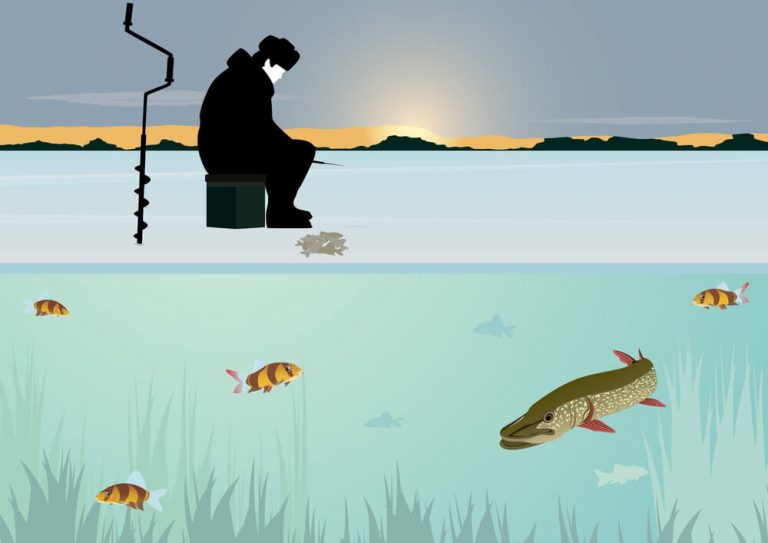
Catching suspended walleye can be challenging, but because they are basically following baitfish this type of fishing can be fun and rewarding. Knowing that fish suspend at various depths at different times can be the difference between catching and not catching fish. For example, in the summer when the water temps are warmer, fish tend to be deeper during the day. As the water cools, they can rise in the water column. Also, identifying the depth of the thermocline is huge. This is where electronics play a big part of finding suspended fish. The sonar units of today are a great tool for finding suspended walleyes and determining how deep to place your offering.
Can catching suspended fish be challenging? Some might say yes, because even when these walleyes are located, weather conditions come into play. Walleyes can become more active on overcast days. After a cold front (storm) comes through, catching these fish can be almost impossible to land. Wind and current also can determine how suspended fish react. Knowing this can and will increase your chance of catching fish.
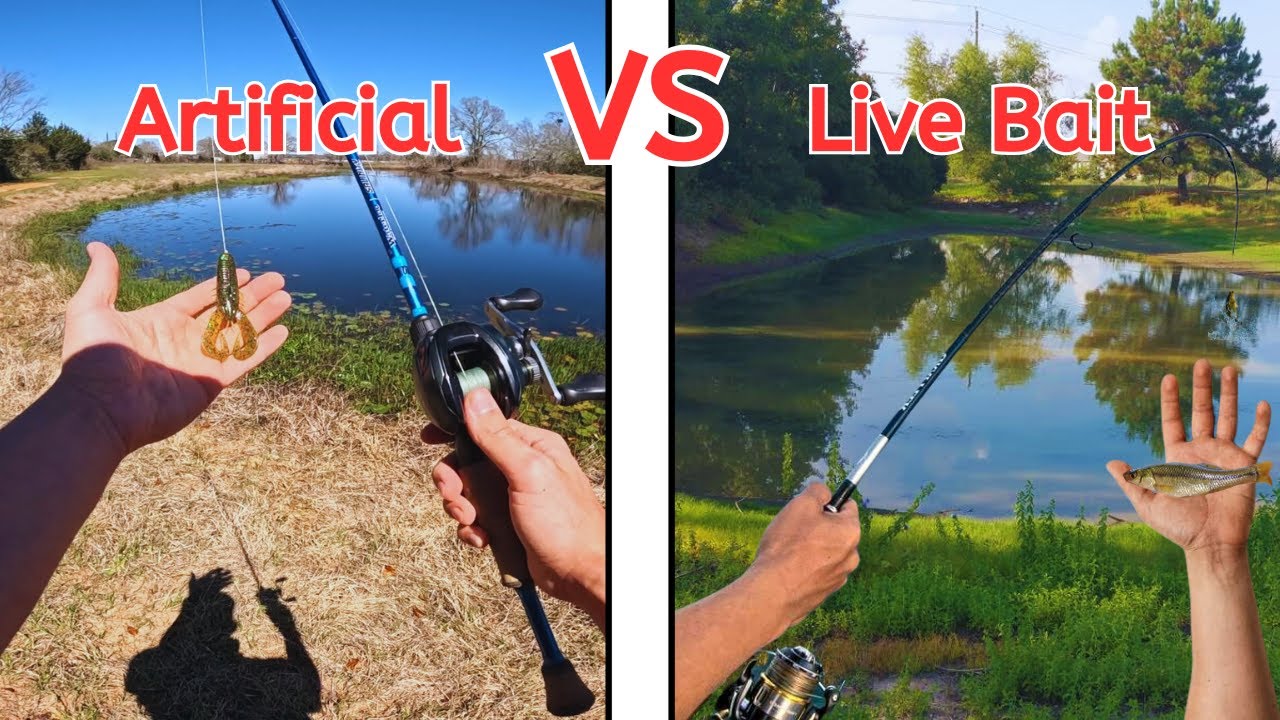
Your choice of bait when fishing for suspended fish can also make the difference. Some anglers prefer live bait, some use artificial lures, like spoons or crankbaits. So, it’s a personal choice. Let me say this on using lures and this is just what I believe. Suspended fish are usually there feeding on what? Baitfish, right?
My point is, in this situation, why not use what they are feeding on, which could be Cisco’s or different minnows, so why not match the hatch as they say. But again, that is just my opinion. That being said, under the right circumstances (slight wind with minimal current) I believe this is the best time to put your jigging skills to the test.
There are different jigging techniques that can be used to boat suspended walleye, so let’s cover a few. Remember, fish feed up, so whatever type of jigging you chose, presenting your bait above them is important. If you like to use live bait, you can adjust a slip bobber knot at a depth that will keep that bait in the strike zone.
Trolling is another technique (NEXT WEEKS TOPIC) that can be used if its windy with moving current. This method can be productive at a specific depth, but that also depends on trolling speed.
The last technique is VERTICAL JIGGING. As I mentioned above, under the right conditions nothing can beat this method of jigging. This type of jigging is so effective because when targeting fish at a specific depth, you are dropping your bait straight down into the strike zone. How can you tell when your bait is right above the fish? Again, use your electronics.
If fish are holding close to (bottom) structure, release and let the jig fall to the bottom. When you see your line on top of the water, reel up until the fishing line is tight and reel up another 12 to 24 inches so your bait is above the fish you’re targeting. Bring the jig up 24 or more inches and let it flutter down. Keep repeating this until you get a hit.
Say fish are holding around 18 feet. You can use the countdown method. If the water is clear enough, let out a half of rod length and drop the jig into the water, then count how long it takes for that distance. Reel in, release the line and start counting until you believe you’re 15 feet.
Or, cast out approximately 15 feet and let the jig flutter down. Once you believe you are at the correct depth, raise and lower your rod tip around 24 inches each time and you are probably right in or above those fish. Most of the time, walleye will grab the bait when it is descending.