BEARS LATE TO HIBERNATE

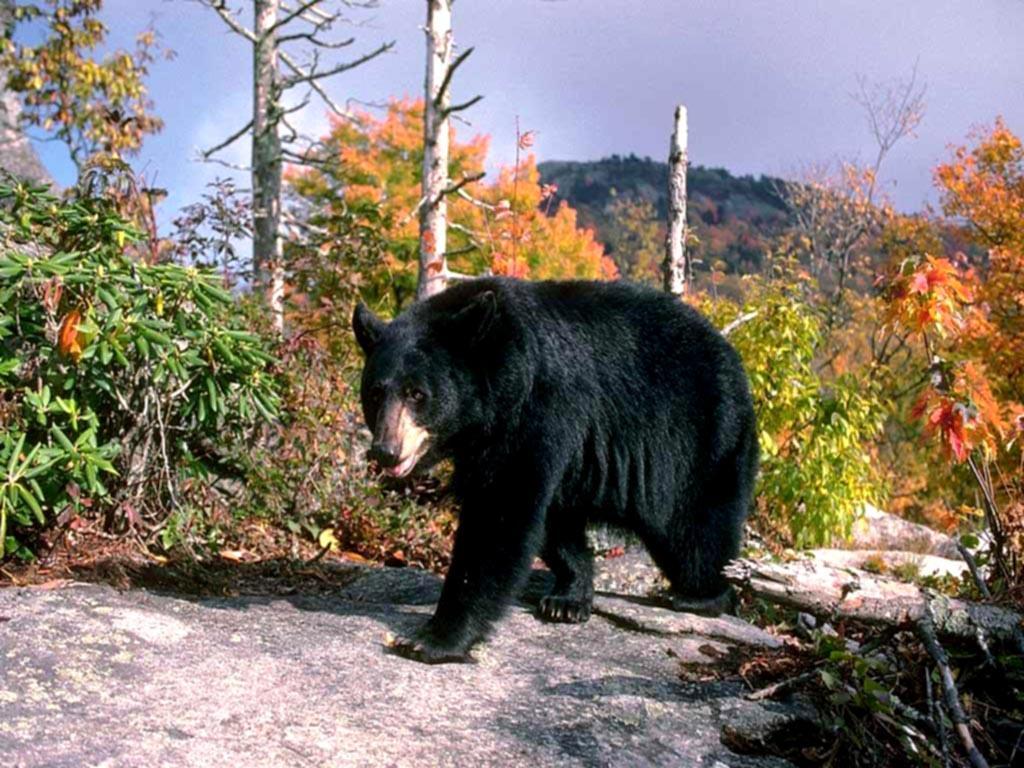
We all know this happens before winter, but the timing in which Wisconsin black bear hibernate is not really known. Some speculate it’s the shorter daylight while others believe it’s the availability of food. It’s also been said, temperatures are the main reason. I believe it can be the combination of all three of these reasons. Here’s why.
Shorter days can generate physiological changes in bears, so the length of daylight hours does affect the timing of hibernation. The lack of daylight alters hormone levels that influence sleep pattern and slowing their metabolism. Then, bears need to gain up to 30 % of their body weight in order to survive the winter in the Northwoods and to produce healthy cubs. Next, it is believed that bears cannot dig out dens with the ground frozen is why temperatures could hurt hibernation.
Whatever the reasons are, bears are now denning for the winter, but this year the hibernation was a bit delayed. I was told by many deer hunters in the first few weeks of November that bears were still showing up on their trail cameras, and they were still seeing bear tracks around their baits. The cause for this is it was in the low to mid 50s the first week and a half of November and there was an abundance of acorns this year.
Some believe that a late hibernation will hurt the bear population because of the lower number of cubs being born, but that is not true.
Bears mate in June to early July and because of delayed implantation of fertilized eggs, cubs are not usually born until January or February.
If you remember in 2021, we had above normal temperature and the snowmobile trails did not open due to insufficient snow. Well in 2021 the bear population was estimated at to over 23K, and in the fall of 2022 that number was around 27K. So, the weather did not affect bears hibernating or the number of cubs being born back then and I don’t believe it will this year either.
While denning, bears really don’t hibernate, but enter a state of torpor. During this period of torpor their body temperature will drop slightly, heart rate slows, will not eat, drink, urinate or defecate, but will give birth and the huge acorn crop this fall helped bears put on the weight needed to sustain their winter hibernation and mama bear has enough fat to insulate the den, produce and nurse her cubs during this time.
Depending on a females age and health, along with the amount of stored fat reserve she had when entering her den, she can produce over 4 cubs, but two or three are usually a normal size litter. When born, these tiny black bears weigh less than 1 pound, have no fur and are blind. Within six weeks, their eyes are usually open, can weigh 2 to 3 pounds and have dense fur an inch long. Depending on the weather, size of the cubs (usually 3 to 9 pounds) and health of the cubs, they will typically leave their dens by April, but if the cubs are small, mom and the little ones could stay until May.
So, if anyone is concerned about the delayed hibernating of our bears and cubs being born, mama and her babies will be just fine.