HIBERNATION LIGHT

I won’t say why this article is being written (you know who you are) but there are misconceptions about animals in our Northwoods and HIBERNATION/TORPOR. Not that many critters sleep the entire winter as you might think. To be honest, I cannot think of any animal in the Northwoods that truly hibernates. During hibernation an animal’s body temperatures drop and metabolic rates decrease.
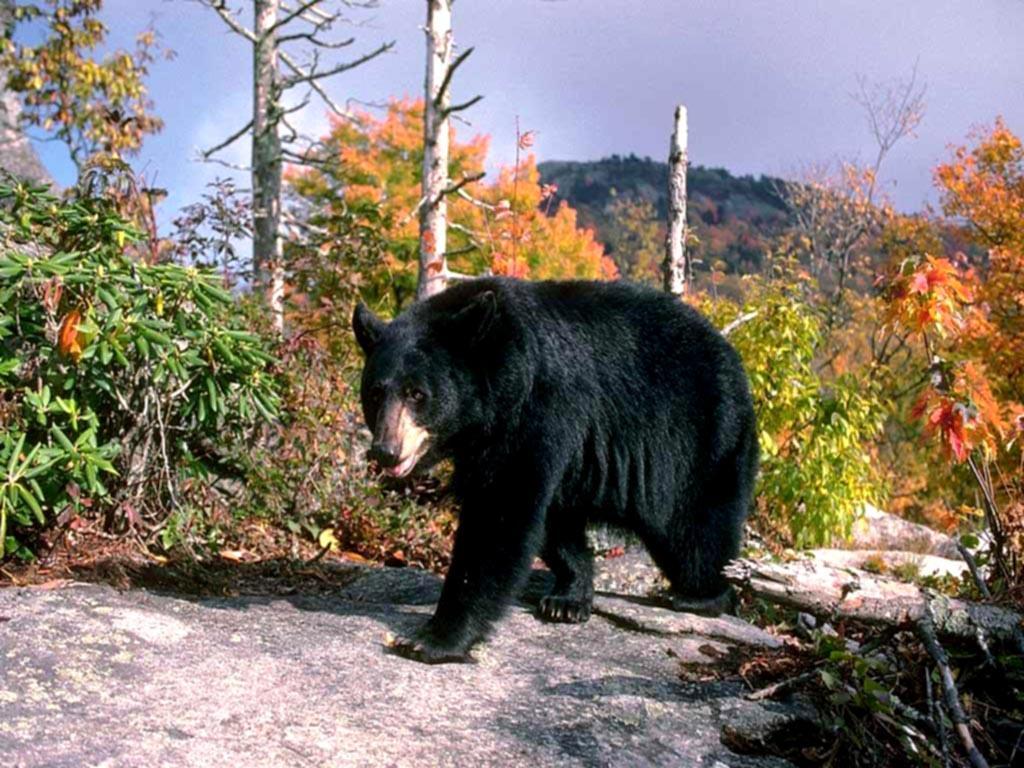
Black Bears for example, do not eat, drink, urinate or defecate during this time. While in her winter den, Black Bears heart rate drops significantly, body temperature slightly decreases but can give birth and nurse her cubs and during this time living off fat reserves. This is called TORPOR or what I call HIBERNATION LIGHT. When animals enter torpor, it’s basically slowing down bodily processes to conserve energy. This type of light hibernation (torpor) can be a few hours, overnight, weeks or even months and animals can wake easily.
The two animals I can think of that MIGHT come close to what is called hibernating all winter and those are bats and woodchucks. Because bats primary food source is insects, some research studies showed bats can hibernate up to 6 months. Bats will find caves, hollow trees, crevices in rocks or bat houses if they have used them during summer months. Like other animals, their temperatures lower and metabolism will drop significantly, but can wake quickly if disturbed or change in weather. So, again this can be called HIBERNATION LIGHT.
Before winter arrives, Woodchucks/Groundhogs will dig burrows or use abandoned burrows from other animals. Then these chambers are lined with leaves and grass for insulation, and can be used as stored food, but this is where they could spend up to 5 months. Their body temperature can lower to 40 or 50 degrees from the normal 98 degrees. Their heart rate can drop from over 85 to 4 or 5 beats per minute and their breathing changes from close to 16 breaths a minute to every few minutes. Any disturbance human/predator can wake woodchucks from their winter home. On warmer winter days, they wake to forage on tree bark, shrubs or any other vegetation they can find. So, I would also call this HIBERNATION LIGHT. WOULDN’T YOU?