

COVER vs STRUCTURE

When I wrote about Lake terminology last week, I kept the definitions very simple because as I have stated, this site is more for the novice angler than experienced fisherman. But then I was watching (like 99% of all TV viewing) a bass fishing show in the bait shop and the host (A PROFESSIONAL FISHERMAN) said “YOU CAN FIND THESE FISH IN ANY STRUCTURE LIKE I’M FISHING”.
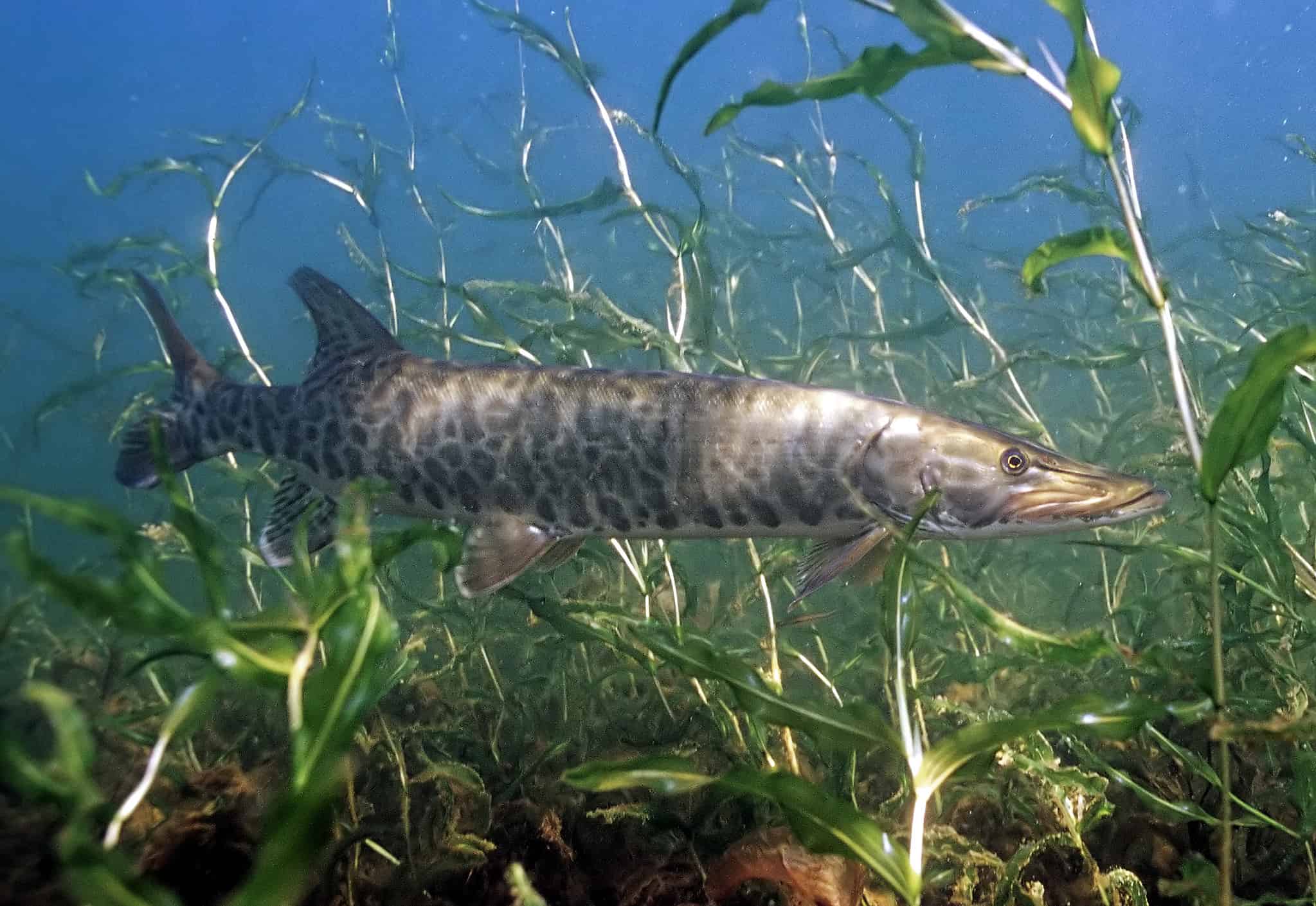
At this time, it showed an underwater view of the spot he was casting, and he was fishing in weeds, and I might be totally wrong, but I’m pretty sure weeds are COVER, not STRUCTURE. Maybe when they were editing the show they just missed that part. So, I thought I would explain a little more about cover and structure without making it complicated.
STRUCTURE is the terrain on the lakes floor. When the bottom of the lake’s depth changes composition, this is structure. Drop offs (EVEN ONE FOOT), mid lake humps, points, old river channels, deep holes, are considered structure. Some will say rocks or rock piles can be considered cover but again, to keep it simple, if a shoreline has rocks and those rocks continue out into deeper water, this is structure, because those rocks are on the bottom of the lake. So, structure is the composition (PROFILE) of the lakes floor.
COVER. If someone told you to take cover, you would hide, right? Well, that is exactly what cover is. Fish use cover to hide and will position themselves in that cover to ambush other fish. So, cover is weeds (ANY AQUATIC VEGETATION), wood (TREES THAT FELL INTO THE WATER), stick ups (BRANCHES COMING OUT OF THE WATER), lily pads, stump fields, docks and even a swim platform can be considered cover, because a fish could hide under and around it. So, cover is any object, (NATURAL OR MAN MADE) that fish can hide and ambush unsuspected prey.
That is the BASIC difference between cover & structure, and I hope everyone understood the way I defined them. Please feel free to add more on this if you think I didn’t explain this subject well enough or missed something.
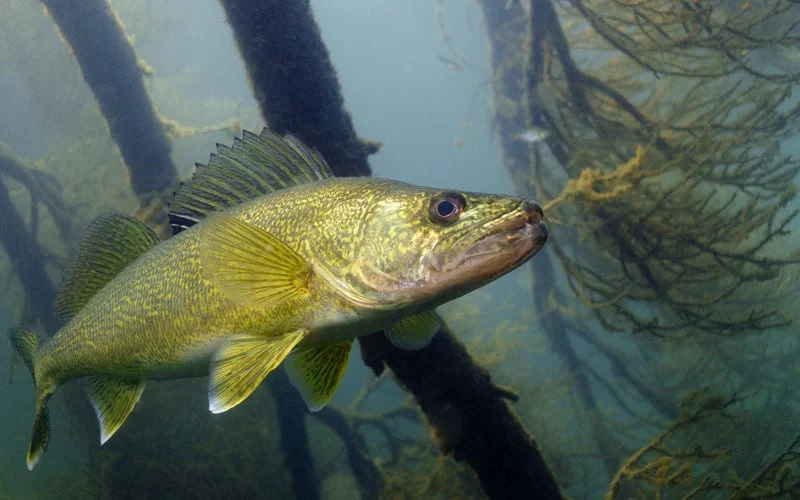
PLEASE RELEASE WALLEYE OVER 24”. THESE BIG GIRLS PRODUCE MORE EGGS AND LARGER WALLEYES IN THE FUTURE.
One Comment