
CATCHING SUMMER BASS

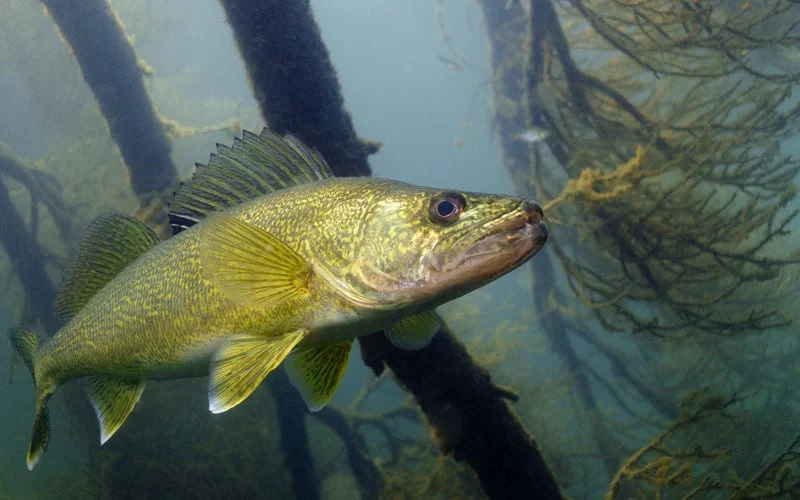
When my family first started to vacation in the Northwoods in the early 1960s, fishing was my father’s favorite activity and Walleye was the species he and other anglers sought. Today, even though Walleye and panfish are still popular, more and more anglers are pursuing Bass. Look up pretty much anything about fishing and BASS is mostly the subject. More on that next week.
So, do you want to be a successful Bass angler? Well, you better do your homework. If you do not know the seasonal behavior and patterns of Bass, the forage they dine on, identify peak times and studying lake maps to find the location of the cover and structure Bass use, you will not catch many fish. Ok, that’s not the way I see it, but this is what professional Bass anglers will tell you.
If fishing Bass tournaments is what you do for a living and you want to keep your sponsors, then yes, you should know all that stuff written above, but it’s not as difficult as these pro’s make it sound. As always, my fishing topics are to help novice anglers, but some experienced fishermen might find this week’s post informative also. So, is finding and catching Bass as hard as these pro’s say it is?
You can be the judge because here’s some basic things that pro bass anglers have said and could help you catch Largemouth Bass if you are new to the sport.
First, every lake has different structure, amount of cover, oxygen depths levels, water current and forage.
Second, Largemouth Bass eat insects, other fish and even frogs. So, soft plastic, spinnerbaits, crankbaits, top water lures, swimbaits and or live bait rigs will work. Basically, offer different types of lures until you get hits.
Third, Largemouth Bass hide in cover or parts of structure to ambush prey.
Fourth, in summer as the water warms, Largemouth bass become sluggish and normally won’t chase top water baits or lures being cranked back to the boat at speeds you would use in the spring or fall, so slowing your presentation down can help.
Fifth, Bass will be more active, and fishing will be better on cloudy overcast days.
I will agree with one thing above and that is, you SHOULD look at a map of the lake you are fishing to locate area to fish. That said, EARLY in the morning, Largemouth can still be found in shallow water, so you might want to give top water lures (PLASTIC FROGS / WEEDLESS WORM RIG) over submerged vegetation, edges of lily pads.
TIP: WHEN FISHING FOR ANY SPECIES IN THESE AREAS, ALWAYS FISH THE SHORELINES THE WIND IS BLOWING TOWARDS. CURRENT NOT ONLY WILL BOOST OXYGEN LEVELS HERE, BUT ALSO PUSHES BAITFISH INTO THIS AREA WHICH INTURN ATTRACTS (BIG FISH) PREDATORS.
Then as the sun rises, try moving out to deeper side edges of vegetation/ lily pads or transition areas where rock/gravel changes to sand. In this area try casting (swimbaits / spinnerbaits). The hottest part of the day, Bass want to find cooler water, so this is the time for you to do the same. Fishing docks, boathouses, swim rafts or shorelines where overhanging trees are producing shade are great places to find Bass.
I know many will disagree, but I can’t end without adding live bait will get you more Bass or any fish for that matter. Nothing will beat casting into open pockets or vegetation using minnows or a worm under a float/bobber period. Hopefully, this week’s topic helps you to find Bass this summer or at lease gives you a starting point.
When people talk about fishing in the Northwoods, I believe the first species that comes to mind is WALLEYE, then maybe YELLOW PERCH. So, why have I seen more bass anglers in the last two years than all my years fishing here? Next week, I’ll give you my opinion on why I think bass fishing is so popular.